Category: Blog

Your blog category

  • Test2

    asdfasdfasd

    ssssasdfasdf

  • Budgeting My Expenses: A Simple Guide to Manage Money and Save More

    https://prod.rockmedialibrary.com/api/public/content/6b92a662-downloadOriginal-Stock-WomanCalculating-AdobeStock-623891899.jpeg?v=8683f534
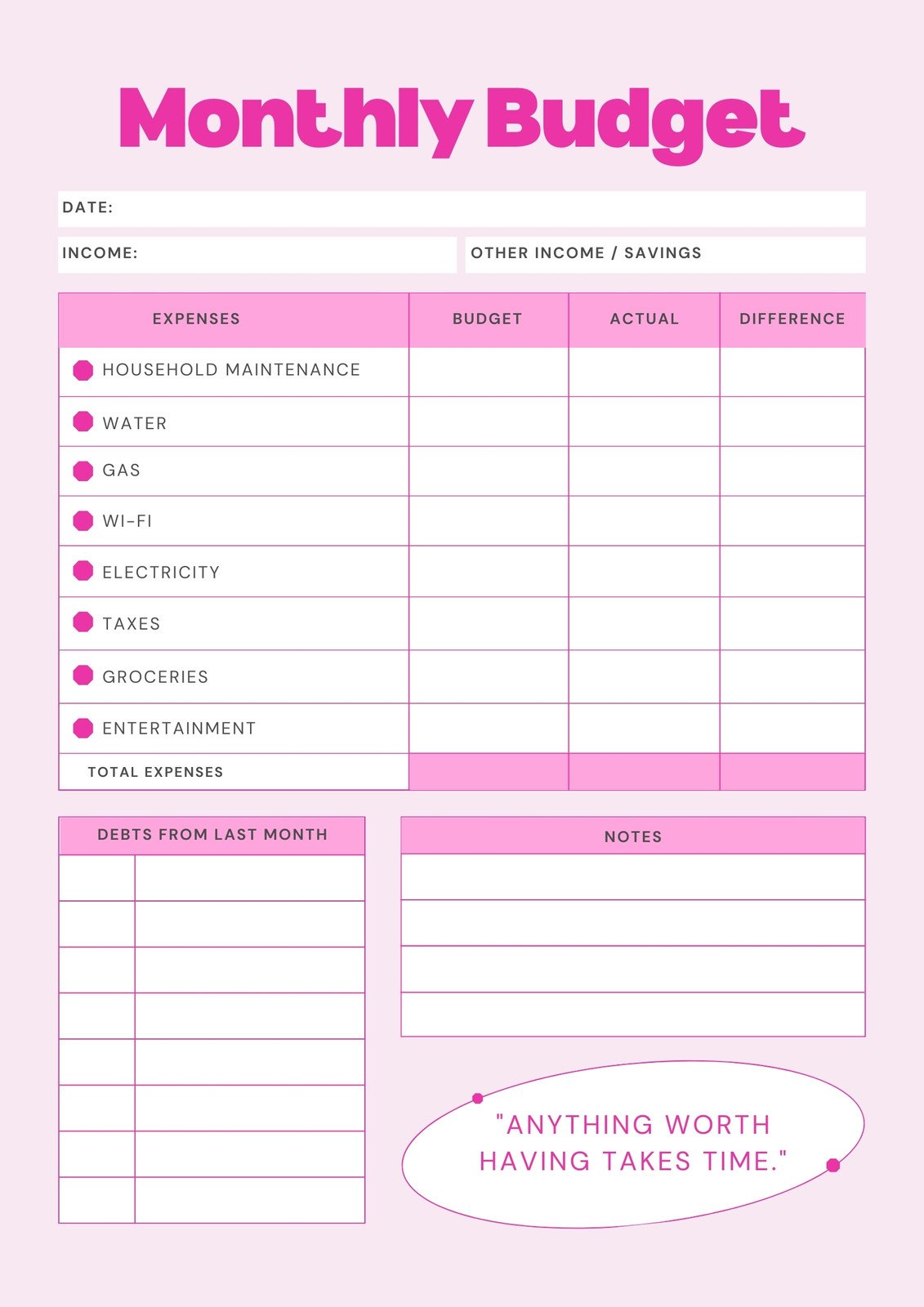
    https://marketplace.canva.com/EAFpgzrjpsg/3/0/1131w/canva-pink-modern-minimal-monthly-budget-planner-hNfIxJYey6U.jpg
    https://s3.envato.com/files/5dd50e0a-1ca3-4155-87eb-0d6e1583193e/inline_image_preview.jpg

    4

    Managing money is not about earning more — it is about using what you earn wisely. One of the most powerful habits for financial stability is budgeting your expenses.

    Budgeting helps you understand where your money goes and ensures that you save and invest consistently for your future.

    In this article, I will share a simple and practical approach to budgeting expenses that anyone can follow.


    Why Budgeting Your Expenses is Important

    https://images.openai.com/static-rsc-3/IPVXTl5pI9zfpWJEc1xkk9ZALOj-hcT0nKwkeuy14kA5whyBfOMDHTAlGzNUGtQ-DCySHtJgtyJSQT2SLMDCExqWjUFqdaEac_z7uZ-IUTY?purpose=fullsize&v=1
    https://png.pngtree.com/png-vector/20260109/ourlarge/pngtree-golden-coins-planner-pen-and-bar-chart-on-white-table-png-image_18475697.webp
    https://images.openai.com/static-rsc-3/KzpPc88qgTB4sRHsU5bJ-exP8iIH3HT8VbVBkQwavOKFts7IIKNLJV11YNo8cXkPswLudCzm8cXsjCxgFffdCWzGQivIHopvz07oUwAvLfE?purpose=fullsize&v=1

    4

    Many people feel they are not saving enough money, but the real problem is often untracked spending.

    Budgeting helps you:

    • Track where your money goes
    • Identify unnecessary expenses
    • Increase savings and investments
    • Reduce financial stress
    • Achieve long-term financial goals

    Think of a budget as a roadmap for your money.

    Without a roadmap, money often gets spent on things that don’t really matter.


    Step 1: Track All Your Expenses

    https://m.media-amazon.com/images/I/61L6mtlIV6L._AC_UF1000%2C1000_QL80_.jpg
    https://images.openai.com/static-rsc-3/GiZqOEWNmbgnoxgTlkkaw0KWo-cAm5IfORPIxW2j2Fatde_IrVI9R9IYcrz8-LZoDSvrYTKKkU1yHZlUne82zm-jKLODUDiVusdUdgOD8YA?purpose=fullsize&v=1
    https://miro.medium.com/v2/resize%3Afit%3A1400/1%2AvOikUkMXnSggW6r5_6Odtw.png

    4

    The first step to budgeting is awareness.

    For one month, track every expense including small ones.

    Examples include:

    • Rent or home expenses
    • Groceries
    • Transportation or fuel
    • Eating outside
    • Online subscriptions
    • Shopping
    • Investments

    You can track expenses using:

    • Excel or Google Sheets
    • Budgeting apps
    • A simple notebook

    The goal is to understand spending patterns.

    Step 2: Categorize Your Spending

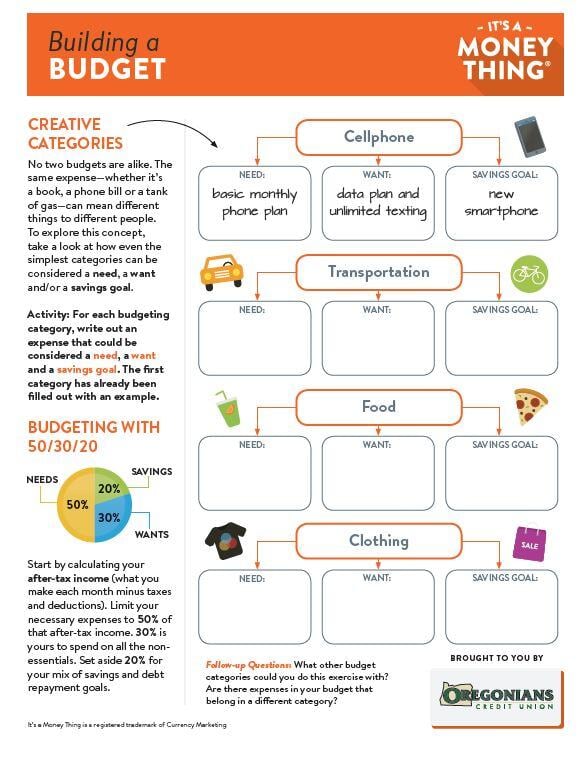
    https://www.oregonianscu.com/hs-fs/hubfs/Imported_Blog_Media/40_Activity-image-1.jpg?height=758&name=40_Activity-image-1.jpg&width=584
    https://images.openai.com/static-rsc-3/Wev2QVP9XzpP49L8bosGSVkzUJV47xjAdMuR6_KDj8PLl-RgSk3xw92dgYocEvCG94-18MWkwARaB5r9Jtw4y0Y95iNvThkCL_Y6Vdj2Neg?purpose=fullsize&v=1
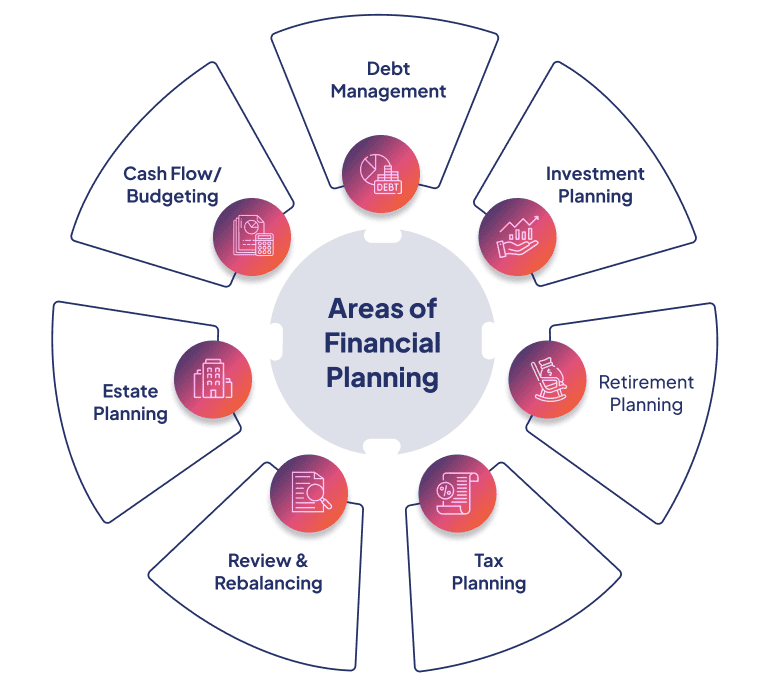
    https://www.sigfyn.com/_next/image?q=75&url=https%3A%2F%2Fsigfyncmsprod.blob.core.windows.net%2Fcms-uploads%2Fassets%2FArea_of_FP_5134a9a1f9.png&w=3840

    4

    After tracking expenses, divide them into three categories:

    Needs

    Essential expenses required for daily life.

    Examples:
    • Rent or home loan
    • Groceries
    • Utilities
    • Insurance
    • School fees

    Wants

    Lifestyle expenses that are not essential.

    Examples:
    • Dining out
    • Entertainment
    • Gadgets
    • Vacations

    Savings & Investments

    Money allocated for your future.

    Examples:
    • Mutual funds
    • Stocks
    • Emergency fund
    • Retirement savings

    The goal is to gradually increase the savings and investment portion.


    Step 3: Follow the 50-30-20 Budget Rule

    https://images.openai.com/static-rsc-3/Yd8OaK6FmA0IRQ28sTUHJ14RbewOLtjEHIZjEBAL8nLN5CJaWHWpfbWcTRwvQAXYVIRngXldZ3myhWbMYlM9n1cRSs5bGLPN91uoYo-MU4w?purpose=fullsize&v=1
    https://images.openai.com/static-rsc-3/VBcQBJixXcmG6wZSduClZQ1d8DleBUGJeMKJn_pDJxLjHLvE3XSCsOgJWry7nXWwSPF1cJSYieBP0WFSRBW3LvBZIHCsEWwPF-GoHf4PHSc?purpose=fullsize&v=1
    https://images.openai.com/static-rsc-3/Wev2QVP9XzpP49L8bosGSVkzUJV47xjAdMuR6_KDj8PLl-RgSk3xw92dgYocEvCG94-18MWkwARaB5r9Jtw4y0Y95iNvThkCL_Y6Vdj2Neg?purpose=fullsize&v=1

    4

    A simple and effective budgeting strategy is the 50-30-20 rule:

    • 50% for Needs
    • 30% for Wants
    • 20% for Savings & Investments

    Even if you cannot start with 20% savings, start small.

    Consistency matters more than the percentage.
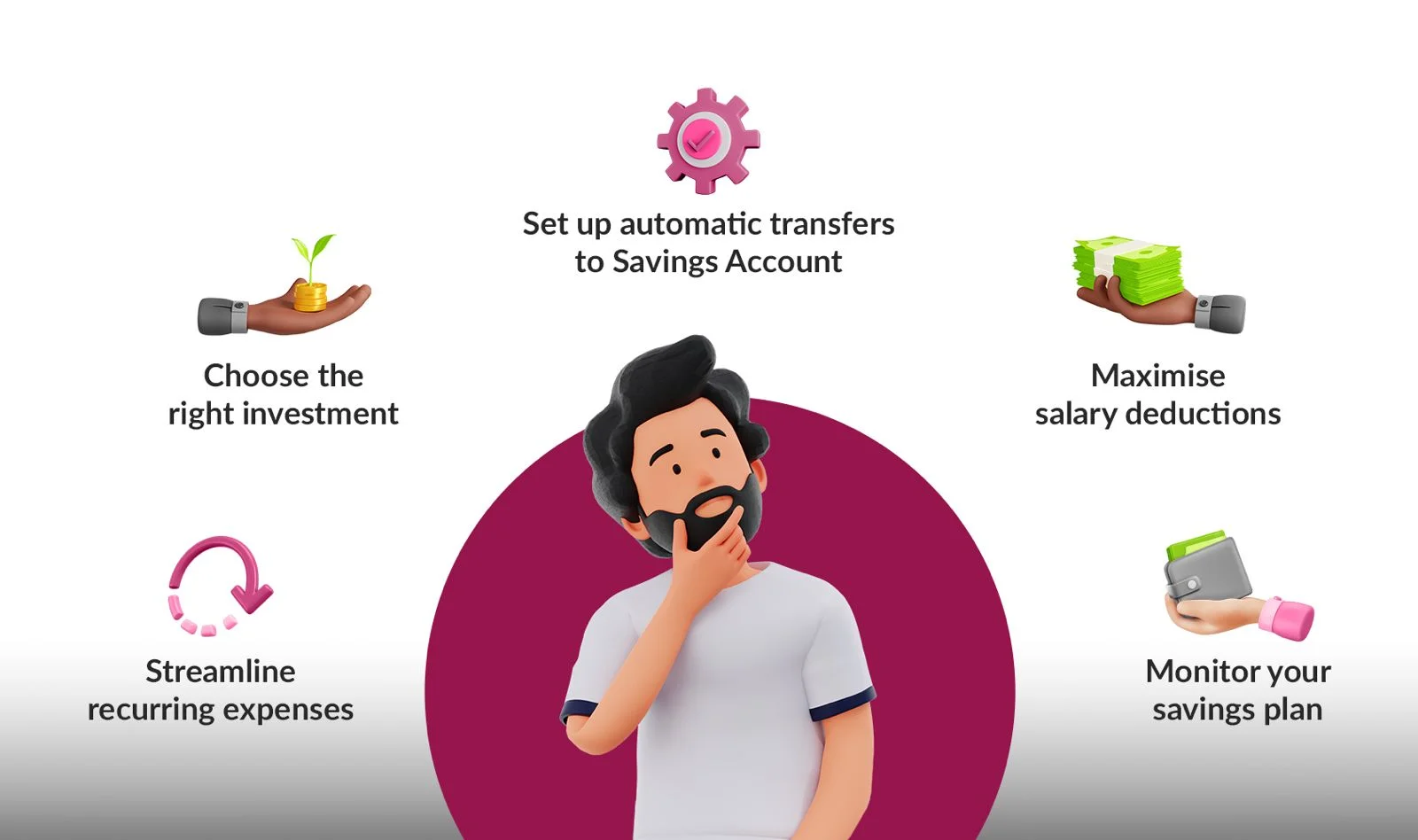

    Step 4: Pay Yourself First

    https://www.axis.bank.in/images/default-source/blog_infographic_new/webp/how-to-put-your-savings-on-autopilot.webp?sfvrsn=4c83bd3_1
    https://images.openai.com/static-rsc-3/IPVXTl5pI9zfpWJEc1xkk9ZALOj-hcT0nKwkeuy14kA5whyBfOMDHTAlGzNUGtQ-DCySHtJgtyJSQT2SLMDCExqWjUFqdaEac_z7uZ-IUTY?purpose=fullsize&v=1
    https://www.investopedia.com/thmb/xbHQ1B7ZSbs67dh2gT628vA5mQs%3D/1500x0/filters%3Ano_upscale%28%29%3Amax_bytes%28150000%29%3Astrip_icc%28%29/financial_plan_final-e8e690fce7c7406fb4cc607e408681df.png

    4

    One of the most powerful financial habits is paying yourself first.

    Before spending money on anything else, allocate money for:

    • Investments
    • Emergency fund
    • Retirement planning
    • Long-term financial goals

    This ensures that saving becomes a priority, not an afterthought.


    Step 5: Review Your Budget Every Month

    https://m.media-amazon.com/images/I/81ZYFoJpXWL._AC_UF350%2C350_QL80_.jpg
    https://png.pngtree.com/png-vector/20260109/ourlarge/pngtree-financial-analysis-and-reporting-with-charts-graphs-laptop-tablet-calculator-png-image_18460274.webp
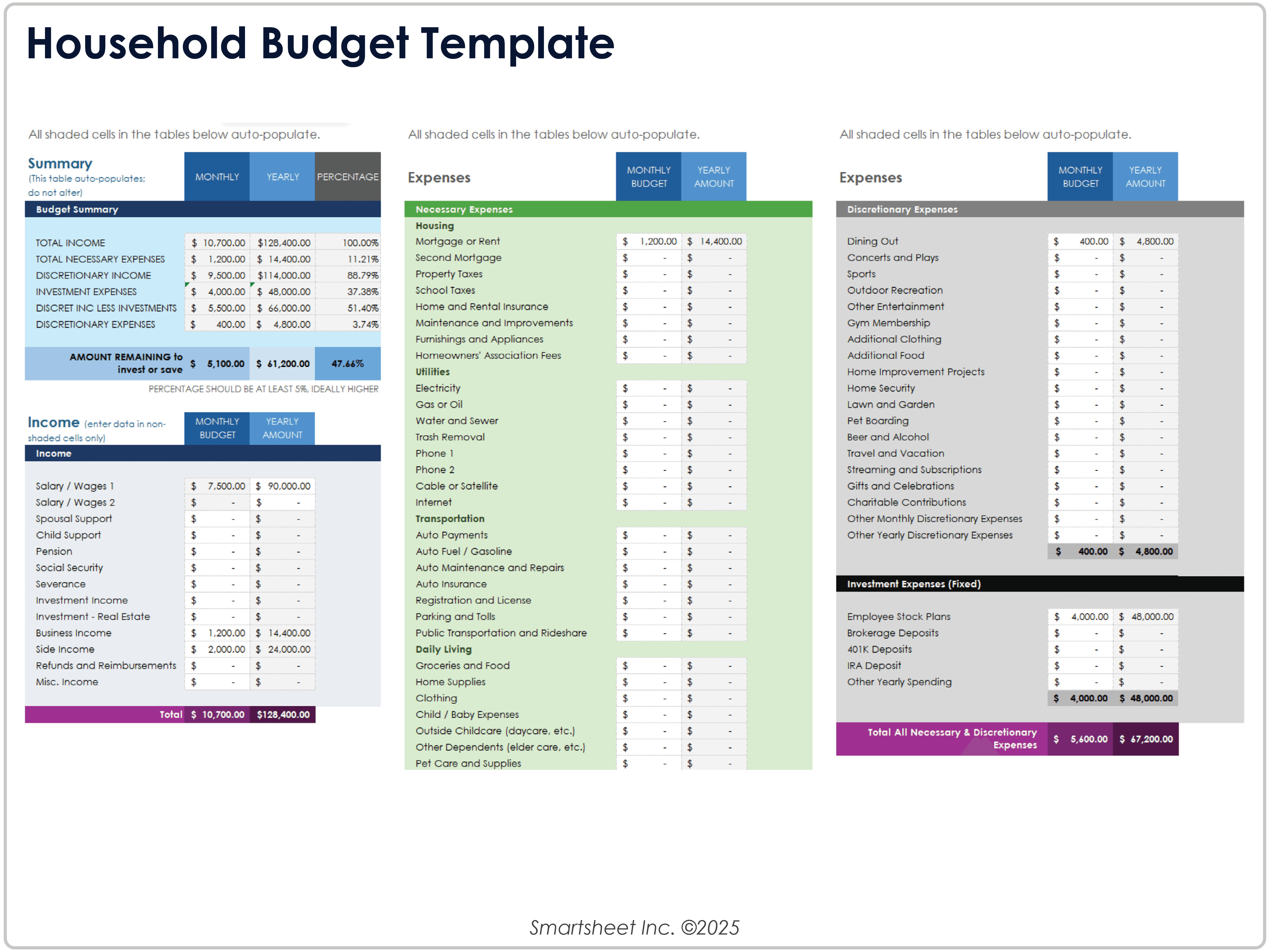
    https://www.smartsheet.com/sites/default/files/2025-07/IC-Household-Budget-Template.png

    4

    Budgeting is not a one-time activity.

    At the end of every month, review your spending.

    Ask yourself:

    • Where did I overspend?
    • Which expenses were unnecessary?
    • How can I improve next month?

    Small improvements each month lead to big financial progress over time.


    Final Thoughts

    Budgeting is not about restricting your life. It is about making your money work for you.

    When you track spending, save consistently, and invest wisely, you move closer to financial freedom.

    Start small. Stay consistent.

    Your future self will thank you.